1. Define goals clearly
Specific beats inspiring-but-vague
If the goal is unclear, action will be unclear too. A better goal names the outcome, the time horizon, and the area of life you want to improve.
Goal Setting Strategies
Most goals fail because they are vague or fragile. This page helps you make the goal clear, prepare for obstacles, and leave with a strategy you can actually use.
1. Define goals clearly
If the goal is unclear, action will be unclear too. A better goal names the outcome, the time horizon, and the area of life you want to improve.
2. Use one focused target
Goal setting works better when the target stays in one lane. Focus creates clarity, and clarity makes consistency easier.
3. Plan for resistance
Good goal setting tools do more than help you dream. They help you keep moving when you are tired, distracted, or tempted to stop.
How To Define Goals Better
A good goal is not too easy and not impossible. It should ask enough of you to matter, while still feeling believable.
The tool below walks through that process in order: define the goal, predict friction, face the cost of quitting, and turn it into a concise strategy.
Free Goal Setting Tool
Step 1
Define your goal
Step 2
Plan for obstacles
Step 3
Face the cost of quitting
Step 4
Build your strategy
Step 1
Be specific. Clear goals are easier to plan, measure, and follow through on.
Specificity matters
Good example
"I want to save $5,000 for an emergency fund within 10 months by setting aside money from each paycheck."
Bad example
"I want to do better with money."
Goal-setting tips
Step 2
Add one obstacle at a time, then write the solution you will use when it shows up.
Why this matters
People often quit when something unexpected gets in the way. If you prepare now, it becomes much easier to keep going later.
Your obstacle plan
Build a list you can return to when motivation drops
Step 3
Be honest. Think about how not following through would affect your confidence and daily life.
Why this matters
Facing the downside can become a useful motivator because it makes the cost of quitting feel real.
Think beyond the obvious
Your Strategy Summary
This is your focused goal, your response to friction, and your reminder of why following through matters.
Main goal
Why you cannot afford to quit
Obstacle strategy
Pre-commit your response before friction shows up
Bring it into LyfeArc
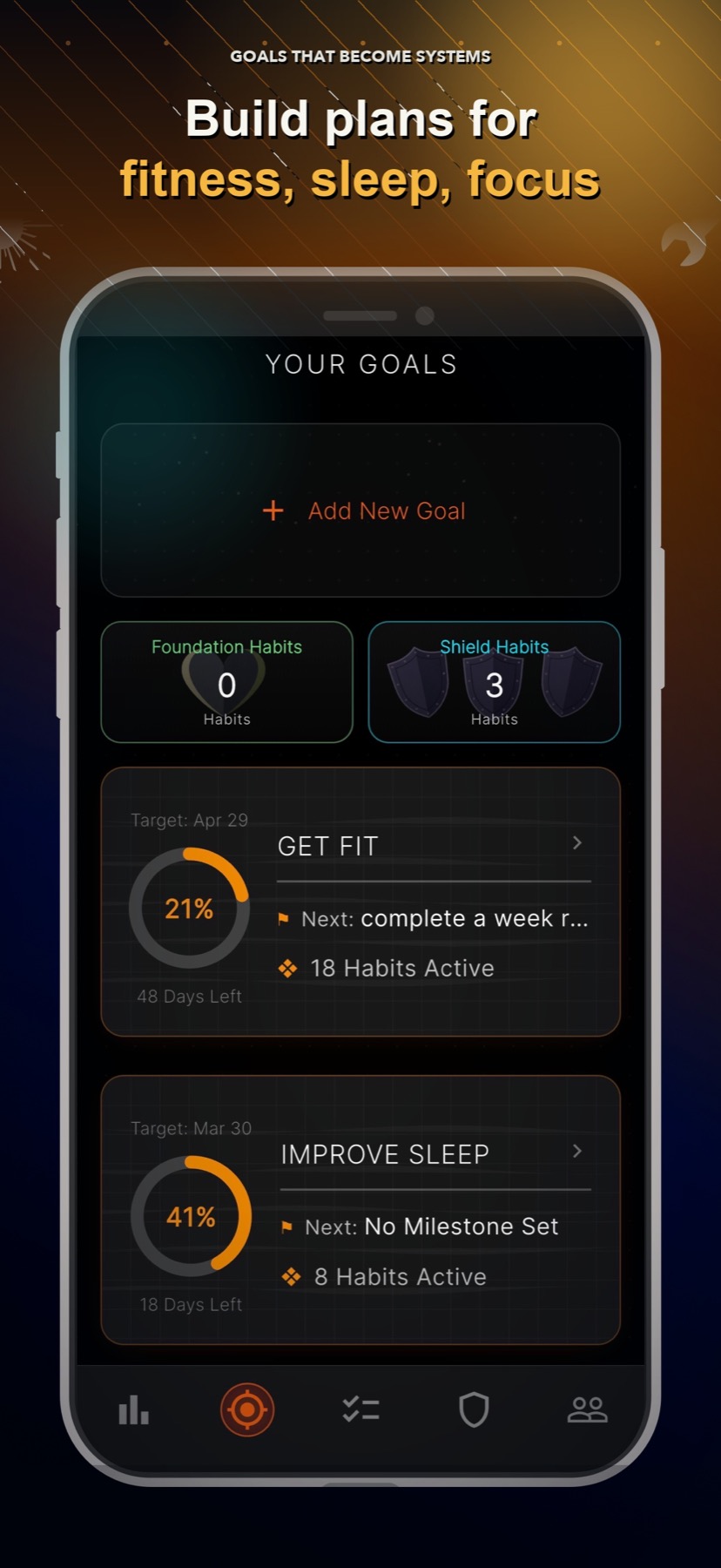
LyfeArc helps you take the goal you just defined and turn it into daily wins, progress tracking, and a system that is easier to stick to.
Next move
Bring your plan into the app while the clarity is still fresh, then build the daily actions around it.

Download LyfeArc and turn this strategy into a real execution plan.
Why this goal setting tool is different
Many tools stop at writing what you want. This one also asks what could get in your way and what happens if you quit.
None of the answers are stored on this site. The point is to help you think clearly and leave with something useful.
Continue with LyfeArc
Once the goal feels right, LyfeArc can help you turn it into daily structure, consistency, and visible momentum.
Use LyfeArc to turn this strategy into daily wins.
FAQ
A good goal setting strategy makes the goal specific, keeps it focused on one life area, plans for likely obstacles, and makes the cost of quitting emotionally clear.
Specific enough that you can recognize success without guessing. Good goals usually define the outcome, the timeline, and the basic path you plan to use.
Usually no. Goal setting works better when each goal stays focused on one main area. That makes the plan easier to execute and easier to measure.
They help when they force clarity and follow-through. A useful goal setting tool should help you define the goal, anticipate obstacles, and convert the plan into daily action.